

How does aluminium sulfate work in the reduction process of water treatment?
Aug 18, 2025
Leave a message
Hey there! I'm a supplier in the aluminium sulfate water treatment game. Today, I wanna chat about how aluminium sulfate works its magic in the water treatment reduction process.


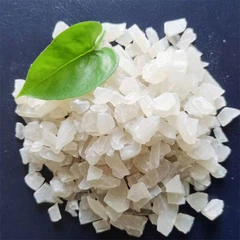
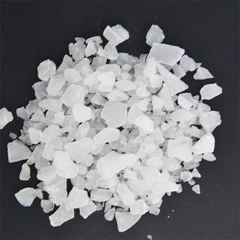
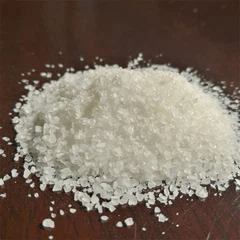
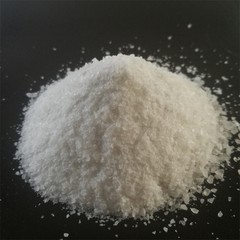
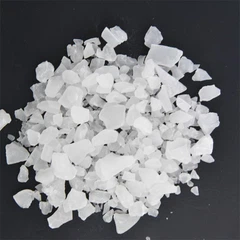
First off, let's talk about what aluminium sulfate is. Aluminium sulfate, also known as alum, is a chemical compound that's commonly used in water treatment. It comes in different forms like Aluminum Sulphate Flake, Aluminum Sulfate Iron Free Grade Fine Powder Type 0 - 1mm, and Ferric Aluminium Sulphate. Each form has its own advantages and applications, but they all share the same basic function in water treatment.
So, how does it work in the reduction process? Well, one of the main things aluminium sulfate does is coagulation. When you add aluminium sulfate to water, it dissociates into aluminium ions (Al³⁺) and sulfate ions (SO₄²⁻). The aluminium ions react with the negatively charged particles in the water, like dirt, clay, and organic matter. These negatively charged particles are usually very small and tend to stay suspended in the water, making it look cloudy.
The positively charged aluminium ions neutralize the negative charges on these particles. Once the charges are neutralized, the particles start to clump together. This is called coagulation. The clumps, or flocs, are much larger than the individual particles, and they're easier to remove from the water.
Another important aspect is sedimentation. After the coagulation process, the flocs start to settle down to the bottom of the water tank or container. This is because the larger flocs are heavier and are more likely to be affected by gravity. As the flocs settle, they take with them a lot of the impurities in the water. This process is called sedimentation, and it helps to remove a significant amount of the suspended solids from the water.
But that's not all. Aluminium sulfate also plays a role in removing some dissolved substances from the water. For example, it can react with certain metal ions in the water, like iron and manganese. These metal ions can cause problems in water, such as discoloration and bad taste. When aluminium sulfate is added, it can form insoluble compounds with these metal ions, which then precipitate out of the water.
Let's dig a bit deeper into the chemical reactions. When aluminium sulfate is added to water, the following reaction occurs:
Al₂(SO₄)₃ + 6H₂O ⇌ 2Al(OH)₃ + 3H₂SO₄
The aluminium hydroxide (Al(OH)₃) that's formed is a gelatinous substance. This substance has a high surface area, which means it can adsorb a lot of the impurities in the water. The sulfate ions can also react with other substances in the water, depending on the water's composition.
In some cases, aluminium sulfate can also help in the disinfection process. Although it's not a disinfectant like chlorine, it can enhance the effectiveness of other disinfectants. By removing a lot of the organic matter and suspended solids, it reduces the demand for disinfectants. This means that less disinfectant is needed to achieve the same level of disinfection.
Now, let's talk about the benefits of using aluminium sulfate in water treatment. One of the biggest advantages is its cost - effectiveness. Aluminium sulfate is relatively inexpensive compared to some other water treatment chemicals. It's also readily available in the market, which makes it easy for water treatment plants and facilities to source.
It's also very versatile. As I mentioned earlier, it can be used in different forms, and it can be applied in various water treatment processes. Whether you're treating drinking water, industrial wastewater, or sewage, aluminium sulfate can play a crucial role.
However, there are also some considerations. One of the main concerns is the potential for aluminium residues in the treated water. High levels of aluminium in drinking water can be a health risk, as it's been linked to certain neurological disorders. That's why it's important to carefully control the dosage of aluminium sulfate in water treatment. Most water treatment plants have strict regulations and monitoring systems in place to ensure that the aluminium levels in the treated water are within safe limits.
Another thing to keep in mind is the pH of the water. The effectiveness of aluminium sulfate is highly dependent on the pH of the water. It works best in a pH range of around 5.5 - 7.5. If the pH is too high or too low, the coagulation process may not work as well, and the water treatment efficiency may be reduced.
In industrial water treatment, aluminium sulfate is used in a variety of applications. For example, in the textile industry, it can be used to remove dyes and other impurities from the wastewater. In the paper industry, it can help to improve the quality of the water used in the papermaking process. In the mining industry, it can be used to treat the water that's used in the extraction and processing of minerals.
In conclusion, aluminium sulfate is a very important chemical in the water treatment reduction process. It helps to remove suspended solids, dissolved substances, and can even enhance the disinfection process. As a supplier, I've seen firsthand the difference it can make in water treatment facilities.
If you're in the market for high - quality aluminium sulfate for your water treatment needs, I'd love to have a chat with you. Whether you're looking for Aluminum Sulphate Flake, Aluminum Sulfate Iron Free Grade Fine Powder Type 0 - 1mm, or Ferric Aluminium Sulphate, we've got you covered. Contact me to discuss your specific requirements and let's find the best solution for your water treatment process.
References:
- AWWA (American Water Works Association). "Water Treatment Principles and Design."
- Metcalf & Eddy. "Wastewater Engineering: Treatment and Reuse."
Send Inquiry