

How does ferric aluminium sulphate perform in electrochemical reactions?
Aug 11, 2025
Leave a message
Hey there! As a supplier of ferric aluminium sulphate, I've had my fair share of chats with folks curious about how this stuff behaves in electrochemical reactions. So, I thought I'd sit down and share what I've learned.
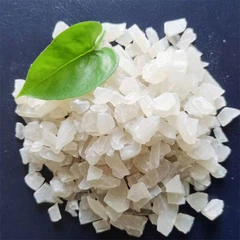
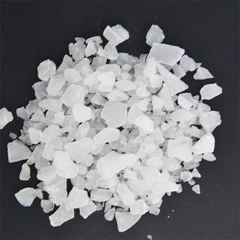
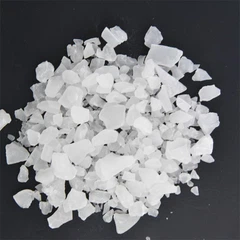
First off, let's talk a bit about what ferric aluminium sulphate is. It's a compound that combines iron (ferric), aluminium, and sulphate ions. You can check out more about it on our Ferric Aluminium Sulphate page. It's got a bunch of uses in different industries, but today we're focusing on its role in electrochemical reactions.
In an electrochemical reaction, we're basically dealing with the transfer of electrons. This can happen through oxidation and reduction processes. Ferric aluminium sulphate can play some pretty important roles here.
One of the key things about ferric aluminium sulphate in electrochemical reactions is its ability to act as an electrolyte. An electrolyte is a substance that conducts electricity when dissolved in a solvent, usually water. When ferric aluminium sulphate dissolves in water, it breaks up into its constituent ions - iron(III) ions (Fe³⁺), aluminium ions (Al³⁺), and sulphate ions (SO₄²⁻). These ions are free to move around in the solution, and this movement allows the solution to conduct electricity.
Let's take a look at how these ions interact in an electrochemical cell. An electrochemical cell typically consists of two electrodes - an anode and a cathode - and an electrolyte solution. At the anode, oxidation occurs, which means that electrons are lost. At the cathode, reduction occurs, and electrons are gained.
The iron(III) ions in ferric aluminium sulphate can participate in reduction reactions at the cathode. For example, they can gain electrons and be reduced to iron(II) ions (Fe²⁺). This reduction process can be written as:
Fe³⁺ + e⁻ → Fe²⁺
This reaction can have some interesting implications. For instance, in some electrochemical applications, the reduction of iron(III) ions can be used to generate a current or to drive other chemical reactions.
The aluminium ions in ferric aluminium sulphate can also play a role in electrochemical reactions. Aluminium is a relatively reactive metal, and in some cases, the aluminium ions can be involved in oxidation or reduction processes. However, the reactivity of aluminium ions is often influenced by the conditions of the electrochemical cell, such as the pH of the solution and the presence of other substances.
The sulphate ions, on the other hand, are generally less reactive in electrochemical reactions compared to the metal ions. However, they can still affect the overall properties of the electrolyte solution. For example, they can influence the conductivity of the solution and the stability of the metal ions.
Another aspect to consider is the role of ferric aluminium sulphate in corrosion prevention. Corrosion is an electrochemical process that involves the oxidation of a metal. Ferric aluminium sulphate can be used in some corrosion prevention strategies. When applied to a metal surface, it can form a protective layer that inhibits the oxidation process. This is because the ions in ferric aluminium sulphate can interact with the metal surface and form a barrier that prevents oxygen and water from reaching the metal.
In industrial applications, ferric aluminium sulphate is often used in water treatment processes that involve electrochemical reactions. For example, in electrocoagulation, an electrochemical process is used to remove contaminants from water. Ferric aluminium sulphate can be added to the water to enhance the coagulation and flocculation of impurities. The ions in ferric aluminium sulphate can interact with the contaminants, causing them to clump together and settle out of the water.
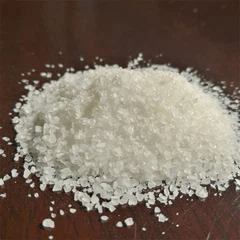
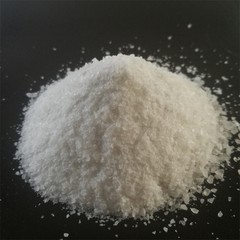
If you're interested in other forms of aluminium sulphate products, we also offer Aluminum Sulphate Lump and Industrial Aluminum Sulphate. These products have their own unique properties and applications, but they also share some similarities with ferric aluminium sulphate in terms of their electrochemical behavior.
Now, let's talk a bit about the factors that can affect the performance of ferric aluminium sulphate in electrochemical reactions. One of the most important factors is the concentration of the ferric aluminium sulphate solution. A higher concentration of the compound means that there are more ions available in the solution, which can increase the conductivity of the solution and the rate of the electrochemical reactions. However, if the concentration is too high, it can also lead to issues such as precipitation of the metal ions or changes in the pH of the solution.
The pH of the solution is another crucial factor. The reactivity of the metal ions in ferric aluminium sulphate can be strongly influenced by the pH. For example, at low pH values, the iron(III) ions are more stable and less likely to be reduced. At high pH values, the aluminium ions can form insoluble hydroxides, which can affect the performance of the electrolyte.
Temperature also plays a role. Generally, increasing the temperature of the solution can increase the rate of the electrochemical reactions. This is because higher temperatures provide more energy for the ions to move around and react with each other. However, very high temperatures can also cause problems, such as evaporation of the solvent or decomposition of the ferric aluminium sulphate.
In addition to these factors, the presence of other substances in the solution can also affect the performance of ferric aluminium sulphate in electrochemical reactions. For example, the presence of other metal ions or organic compounds can interact with the ions in ferric aluminium sulphate and change their reactivity.
So, as you can see, ferric aluminium sulphate has a lot going on in electrochemical reactions. Its ability to act as an electrolyte, and the reactivity of its constituent ions, make it a versatile substance with a wide range of applications.
If you're in the market for ferric aluminium sulphate or any of our other aluminium sulphate products, I'd encourage you to get in touch. Whether you're working on a small-scale research project or a large industrial application, we can provide you with high-quality products and the support you need. Just reach out, and we can start a conversation about your specific requirements.


In conclusion, ferric aluminium sulphate is a fascinating compound when it comes to electrochemical reactions. Its ions can participate in oxidation and reduction processes, and it can be used in various applications such as water treatment and corrosion prevention. By understanding the factors that affect its performance, you can make the most of this versatile substance in your electrochemical projects.
References:
- Bard, A. J., & Faulkner, L. R. (2001). Electrochemical Methods: Fundamentals and Applications. Wiley.
- Atkins, P., & de Paula, J. (2014). Physical Chemistry. Oxford University Press.
Send Inquiry