

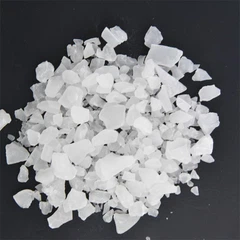
Can 17% aluminum sulphate powder be used in the treatment of landfill leachate?
Aug 11, 2025
Leave a message
As a supplier of 17% aluminum sulphate powder, I often receive inquiries about its applications, especially in the treatment of landfill leachate. Landfill leachate is a complex and highly polluted liquid that results from the decomposition of waste and the infiltration of rainwater in landfills. It contains a wide range of contaminants, including heavy metals, organic compounds, and high levels of ammonia nitrogen, which pose significant environmental and health risks if not properly treated. In this blog post, I will explore whether 17% aluminum sulphate powder can be effectively used in the treatment of landfill leachate.
Understanding Aluminum Sulphate and Its Properties
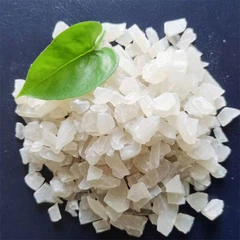
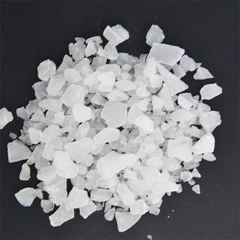
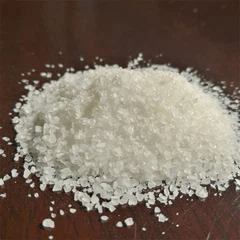
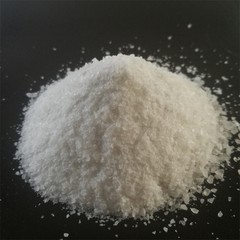
Aluminum sulphate, with the chemical formula Al₂(SO₄)₃, is a widely used coagulant and flocculant in water and wastewater treatment processes. It works by neutralizing the electrical charges of suspended particles in the water, causing them to clump together and form larger aggregates that can be more easily removed through sedimentation or filtration. The 17% aluminum sulphate powder refers to a product that contains 17% of aluminum sulphate by weight, which is a common grade used in various industrial applications.
One of the key advantages of aluminum sulphate is its ability to remove a variety of contaminants from water, including turbidity, color, and some heavy metals. It is also relatively inexpensive and easy to handle, making it a popular choice for water treatment plants around the world. Additionally, aluminum sulphate can be used in combination with other chemicals, such as polymers, to enhance its coagulation and flocculation performance.
The Treatment of Landfill Leachate
Landfill leachate treatment is a challenging process due to the complex nature of the contaminants present in the leachate. Conventional treatment methods typically involve a combination of physical, chemical, and biological processes to remove different types of pollutants. Physical processes, such as sedimentation and filtration, are used to remove large particles and suspended solids, while chemical processes, such as coagulation and flocculation, are used to remove dissolved and colloidal contaminants. Biological processes, such as activated sludge and anaerobic digestion, are used to break down organic matter and reduce the biochemical oxygen demand (BOD) and chemical oxygen demand (COD) of the leachate.
However, landfill leachate often contains high levels of refractory organic compounds and heavy metals that are difficult to remove using conventional treatment methods. These contaminants can have a negative impact on the environment and human health, and their presence in the leachate requires the use of more advanced treatment technologies.
Can 17% Aluminum Sulphate Powder Be Used in Landfill Leachate Treatment?
The use of 17% aluminum sulphate powder in landfill leachate treatment has been investigated in several studies. The results of these studies suggest that aluminum sulphate can be effective in removing turbidity, color, and some heavy metals from landfill leachate. However, its effectiveness in removing refractory organic compounds and ammonia nitrogen is limited.
One of the main challenges in using aluminum sulphate in landfill leachate treatment is the high alkalinity of the leachate. Aluminum sulphate reacts with alkalinity in the water to form aluminum hydroxide, which can reduce the effectiveness of the coagulation and flocculation process. To overcome this problem, it is often necessary to adjust the pH of the leachate before adding aluminum sulphate. Additionally, the high concentration of organic matter in the leachate can also interfere with the coagulation and flocculation process, requiring the use of higher doses of aluminum sulphate.
Despite these challenges, 17% aluminum sulphate powder can still be a useful component in a landfill leachate treatment system. It can be used in combination with other chemicals, such as polymers and activated carbon, to enhance its performance. For example, polymers can be used to improve the flocculation of the aluminum hydroxide precipitates, while activated carbon can be used to adsorb refractory organic compounds.
Other Forms of Aluminum Sulphate for Landfill Leachate Treatment
In addition to the 17% aluminum sulphate powder, there are other forms of aluminum sulphate available that may be more suitable for landfill leachate treatment. Iron Free Aluminum Sulphate Flakes, Iron Free Aluminum Sulphate Powder, and Iron Free Aluminum Sulphate Granules are all products that have a higher purity and may offer better performance in landfill leachate treatment. These products are free of iron, which can cause discoloration and other problems in the treated water.
Conclusion
In conclusion, 17% aluminum sulphate powder can be used in the treatment of landfill leachate, but its effectiveness is limited. It can be used to remove turbidity, color, and some heavy metals from the leachate, but it may not be sufficient to remove refractory organic compounds and ammonia nitrogen. To achieve better treatment results, it is often necessary to use aluminum sulphate in combination with other chemicals and treatment processes.
If you are interested in using aluminum sulphate for landfill leachate treatment, I encourage you to contact us to discuss your specific needs. We can provide you with more information about our products and help you develop a customized treatment solution for your landfill leachate. Our team of experts has extensive experience in water and wastewater treatment and can provide you with the support and guidance you need to ensure the successful implementation of your treatment system.


References
- Ahn, K.-H., & Lim, H.-S. (2006). Treatment of landfill leachate using coagulation and electrocoagulation processes. Journal of Hazardous Materials, 137(2), 1071-1077.
- Lee, C.-H., & Shammas, N. K. (2004). Treatment of landfill leachate by advanced oxidation processes: A review. Journal of Hazardous Materials, 110(1-2), 1-18.
- Wang, X., & Zhang, X. (2012). Treatment of landfill leachate by integrated chemical and biological processes. Journal of Environmental Sciences, 24(8), 1343-1349.
Send Inquiry