

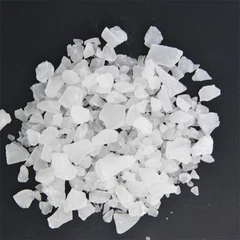
How to apply 16% aluminum sulphate in agriculture?
Jul 01, 2025
Leave a message
Agriculture is the backbone of human civilization, and the use of various chemicals has become an essential part of modern farming practices. One such chemical that has gained significant attention in recent years is 16% aluminum sulphate. As a supplier of 16% aluminum sulphate, I am often asked about its applications in agriculture. In this blog post, I will share some insights on how to apply 16% aluminum sulphate in agriculture.
Soil pH Adjustment
One of the primary uses of 16% aluminum sulphate in agriculture is for soil pH adjustment. Aluminum sulphate is an acidifying agent, which means it can lower the pH of alkaline soils. Many plants prefer slightly acidic to neutral soils, and when the soil pH is too high, it can lead to nutrient deficiencies and poor plant growth.
To use 16% aluminum sulphate for soil pH adjustment, you first need to test the soil to determine its current pH level. You can use a soil testing kit available at most garden centers or send a soil sample to a professional laboratory for more accurate results. Once you know the current pH, you can calculate the amount of aluminum sulphate needed to reach the desired pH.
As a general rule of thumb, for every 1 point reduction in soil pH, you can apply about 5 - 10 pounds of 16% aluminum sulphate per 100 square feet of soil. However, this is just an estimate, and the actual amount may vary depending on the soil type, organic matter content, and the specific plants you are growing.
It's important to apply the aluminum sulphate evenly over the soil surface and then work it into the top 6 - 8 inches of soil using a tiller or a garden fork. After application, water the soil thoroughly to help the aluminum sulphate dissolve and penetrate into the soil.


Water Treatment in Irrigation Systems
16% aluminum sulphate can also be used for water treatment in irrigation systems. In some areas, the water used for irrigation may contain high levels of suspended solids, such as clay, silt, or organic matter. These suspended solids can clog irrigation emitters and reduce the efficiency of the irrigation system.
Aluminum sulphate acts as a coagulant, which means it can cause the suspended solids in the water to clump together and settle out. To use 16% aluminum sulphate for water treatment, you can add it to a water storage tank or a mixing chamber at a rate of about 1 - 2 pounds per 1000 gallons of water.
Before adding the aluminum sulphate, it's important to stir the water in the tank to ensure good mixing. Then, slowly add the aluminum sulphate while continuing to stir. Allow the water to sit for a few hours to allow the coagulation process to take place. The settled solids can then be removed by draining the water from the bottom of the tank or by using a sediment filter.
Controlling Fungal Diseases
Some studies have shown that 16% aluminum sulphate can have antifungal properties and can be used to control certain fungal diseases in plants. For example, it can be effective against powdery mildew, a common fungal disease that affects many types of plants, including roses, cucumbers, and grapes.
To use aluminum sulphate for fungal disease control, you can make a foliar spray by dissolving about 1 - 2 tablespoons of 16% aluminum sulphate in a gallon of water. Spray the solution on the affected plants, making sure to cover both the upper and lower surfaces of the leaves. Repeat the application every 7 - 10 days until the disease is under control.
However, it's important to note that the use of aluminum sulphate for fungal disease control may not be as effective as some commercial fungicides, and it may also have some negative effects on beneficial insects and microorganisms in the soil. Therefore, it should be used with caution and as part of an integrated pest management strategy.
Improving Nutrient Availability
In addition to adjusting soil pH, 16% aluminum sulphate can also improve the availability of certain nutrients in the soil. In acidic soils, some nutrients such as iron, manganese, and zinc become more soluble and are therefore more readily available to plants.
When you apply aluminum sulphate to the soil and lower the pH, it can help to release these nutrients from the soil particles and make them more accessible to the plant roots. This can be particularly beneficial for plants that are sensitive to nutrient deficiencies, such as blueberries, azaleas, and rhododendrons.
Product Recommendations
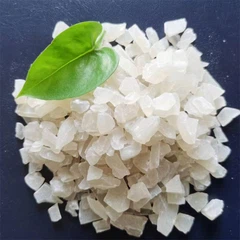
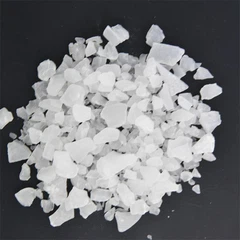
As a supplier of 16% aluminum sulphate, we also offer a range of related products that may be of interest to farmers and gardeners. Our Non Ferric 17% Aluminum Sulphate Flakes are ideal for applications where iron-free products are required. They have a high purity and are suitable for both soil treatment and water treatment.
Our Iron Free Aluminum Sulphate Flakes are another popular choice. These flakes are easy to handle and dissolve quickly in water, making them convenient for use in various agricultural applications.
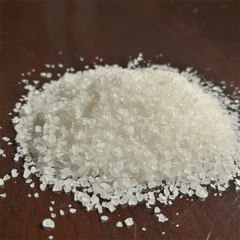
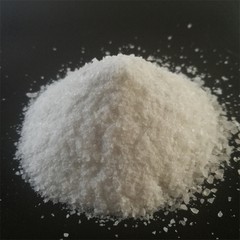
If you prefer granules, our Iron Free Aluminum Sulphate Granules are a great option. They are more resistant to caking and can be spread more evenly over the soil surface.
Conclusion
16% aluminum sulphate is a versatile chemical that can be used in a variety of agricultural applications, including soil pH adjustment, water treatment, fungal disease control, and improving nutrient availability. However, it's important to use it correctly and in the right amounts to avoid any negative effects on the soil, plants, and the environment.
If you are interested in purchasing 16% aluminum sulphate or any of our related products, please feel free to contact us for more information and to discuss your specific needs. We are committed to providing high-quality products and excellent customer service to help you achieve the best results in your agricultural endeavors.
References
- Brady, N. C., & Weil, R. R. (2008). The Nature and Properties of Soils. Pearson Prentice Hall.
- Haby, V. A., Hammer, R. D., & Baker, J. L. (2009). Soil Testing and Plant Analysis. SSSA Book Series.
- Stevenson, F. J. (1994). Humus Chemistry: Genesis, Composition, Reactions. Wiley-Interscience.
Send Inquiry