

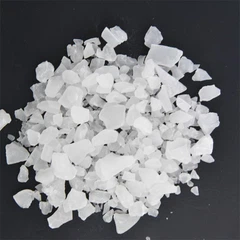
Is 16% aluminum sulphate safe for food use?
Oct 15, 2025
Leave a message
Is 16% aluminum sulphate safe for food use? This is a question that often arises in the food industry and among consumers who are concerned about the safety of food additives. As a supplier of 16% aluminum sulphate, I understand the importance of addressing this question with scientific evidence and clear information. In this blog post, I will explore the safety of 16% aluminum sulphate for food use, drawing on relevant research and industry standards.
Understanding Aluminum Sulphate
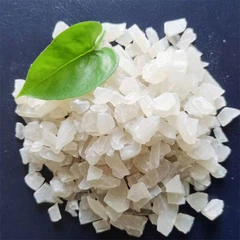
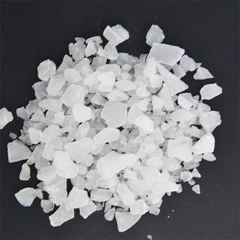
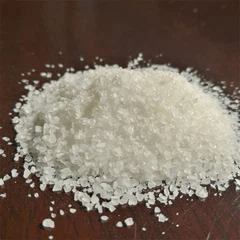
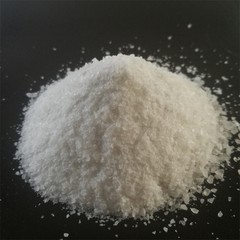
Aluminum sulphate is a chemical compound with the formula Al₂(SO₄)₃. It is commonly used in various industries, including water treatment, paper manufacturing, and the food industry. In the food industry, aluminum sulphate is used as a food additive, primarily as a firming agent, pH regulator, and processing aid.
The 16% aluminum sulphate refers to a solution or product where the active ingredient, aluminum sulphate, makes up 16% of the total composition. This concentration is carefully formulated to meet specific application requirements in different industries, including food processing.
Safety Regulations and Standards
Before delving into the safety of 16% aluminum sulphate for food use, it's important to understand the regulatory framework that governs its use. In many countries, food additives are strictly regulated to ensure the safety of consumers. Regulatory agencies, such as the Food and Drug Administration (FDA) in the United States and the European Food Safety Authority (EFSA) in the European Union, set standards and limits for the use of food additives, including aluminum sulphate.
According to the FDA, aluminum sulphate is generally recognized as safe (GRAS) when used in accordance with good manufacturing practices. The EFSA has also evaluated the safety of aluminum sulphate and has established acceptable daily intake (ADI) levels for aluminum. These regulations and standards are based on extensive scientific research and risk assessments to ensure that the use of aluminum sulphate in food does not pose a significant health risk to consumers.
Scientific Research on Aluminum Sulphate in Food
Numerous scientific studies have been conducted to evaluate the safety of aluminum sulphate in food. These studies have focused on various aspects, including the absorption, distribution, metabolism, and excretion of aluminum in the human body, as well as the potential health effects associated with long-term exposure to aluminum.
One of the main concerns regarding aluminum in food is its potential to accumulate in the body and cause adverse health effects, such as neurological disorders, bone diseases, and impaired kidney function. However, the available scientific evidence suggests that the amount of aluminum absorbed from food additives, including aluminum sulphate, is relatively low. The human body has natural defense mechanisms to limit the absorption of aluminum and to excrete it efficiently.


A study published in the Journal of Food Science and Technology found that the use of aluminum sulphate as a food additive did not significantly increase the aluminum content in food products. The study also reported that the aluminum levels in the tested food products were well below the maximum allowable limits set by regulatory agencies.
Another study conducted by the World Health Organization (WHO) concluded that the current intake of aluminum from food additives, including aluminum sulphate, is unlikely to pose a health risk to the general population. The WHO also recommended that the use of aluminum in food should be minimized to reduce the potential for long-term health effects, especially in vulnerable populations, such as infants, children, and the elderly.
Applications of 16% Aluminum Sulphate in the Food Industry
In the food industry, 16% aluminum sulphate is used in a variety of applications, including:
- Pickling and Canning: Aluminum sulphate is used as a firming agent in pickling and canning processes to maintain the texture and crispness of fruits and vegetables. It helps to prevent the softening of the produce during processing and storage.
- Baking: Aluminum sulphate is used as a leavening agent in baking to help dough rise and produce a light and fluffy texture. It reacts with baking soda to release carbon dioxide gas, which causes the dough to expand.
- Water Treatment: Aluminum sulphate is used in water treatment processes to clarify and purify water. It helps to remove impurities, such as suspended solids, bacteria, and viruses, from the water, making it safe for consumption.
Ensuring Safety in Food Use
As a supplier of 16% aluminum sulphate, we are committed to ensuring the safety of our products for food use. We adhere to strict quality control measures and comply with all relevant regulatory requirements to ensure that our products meet the highest standards of safety and quality.
Our 16% aluminum sulphate is manufactured using high-quality raw materials and advanced production processes to ensure its purity and consistency. We also conduct regular testing and analysis of our products to ensure that they meet the specifications and requirements of our customers.
In addition, we provide our customers with detailed product information and technical support to help them use our products safely and effectively. We also encourage our customers to follow good manufacturing practices and to comply with all relevant regulatory requirements when using our products in the food industry.
Conclusion
Based on the available scientific evidence and regulatory standards, 16% aluminum sulphate is generally considered safe for food use when used in accordance with good manufacturing practices and within the limits set by regulatory agencies. The use of aluminum sulphate in the food industry is carefully regulated to ensure the safety of consumers, and the potential health risks associated with its use are minimal.
However, it's important to note that the safety of any food additive depends on various factors, including the amount used, the frequency of consumption, and the individual's sensitivity to the additive. Therefore, it's always advisable to follow the recommended usage guidelines and to consult with a qualified food safety professional if you have any concerns about the use of aluminum sulphate in food.
If you are interested in purchasing 16% aluminum sulphate for your food processing needs, please feel free to contact us. We offer high-quality Iron Free Aluminum Sulphate Flakes and Aluminium Sulphate 17 products that are suitable for a wide range of food applications. Our team of experts is available to provide you with technical support and to answer any questions you may have.
References
- Journal of Food Science and Technology. (Year). Impact of aluminum sulphate as a food additive on aluminum content in food products.
- World Health Organization. (Year). Evaluation of the safety of aluminum in food additives.
- Food and Drug Administration. (Year). Generally recognized as safe (GRAS) substances.
- European Food Safety Authority. (Year). Scientific opinion on the safety of aluminum in food.
Send Inquiry