

Can 15.8% aluminum sulphate be used for metal surface treatment?
Oct 15, 2025
Leave a message
As a supplier of 15.8% aluminum sulphate, I often encounter inquiries about the suitability of our product for metal surface treatment. In this blog post, I will delve into the scientific aspects of using 15.8% aluminum sulphate in metal surface treatment, exploring its potential benefits, limitations, and practical applications.
Understanding Aluminum Sulphate
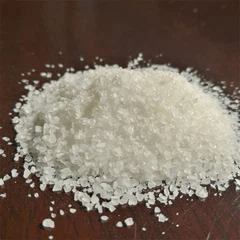
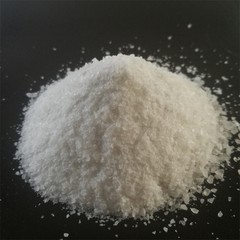
Aluminum sulphate, with the chemical formula Al₂(SO₄)₃, is a widely used industrial chemical. It exists in various forms, including anhydrous and hydrated salts. The 15.8% aluminum sulphate refers to a specific concentration, which is often used in different industrial processes.
Industrial Aluminum Sulphate, as described on Industrial Aluminum Sulphate, is a key product in many industries. It is commonly used in water treatment, paper manufacturing, and textile industries. The properties of aluminum sulphate make it a versatile chemical, and its potential use in metal surface treatment is an area of interest for many.
Metal Surface Treatment: An Overview
Metal surface treatment is a crucial process in various industries, including automotive, aerospace, and manufacturing. The main objectives of metal surface treatment are to improve the corrosion resistance, wear resistance, and aesthetic appearance of metal components. Common surface treatment methods include painting, plating, and chemical conversion coating.


Can 15.8% Aluminum Sulphate be Used for Metal Surface Treatment?
Potential Benefits
- Corrosion Inhibition: Aluminum sulphate can form a protective layer on the metal surface. When dissolved in water, it hydrolyzes to form aluminum hydroxide, which can adhere to the metal surface and act as a barrier against corrosive agents. This can help in reducing the rate of corrosion, especially in mild to moderately corrosive environments.
- Surface Cleaning: The acidic nature of aluminum sulphate solutions can be used for cleaning the metal surface. It can remove oxides, scale, and other contaminants from the metal surface, preparing it for further treatment processes such as painting or plating.
- Improved Adhesion: By creating a clean and slightly roughened surface, aluminum sulphate treatment can enhance the adhesion of subsequent coatings. This is important for ensuring the long - term durability of the coating on the metal surface.
Limitations
- Limited Protection in Harsh Environments: While 15.8% aluminum sulphate can provide some level of corrosion protection, it may not be sufficient in highly corrosive environments such as those with high salt content or extreme pH levels. In such cases, more advanced surface treatment methods may be required.
- Compatibility Issues: Some metals may react differently to aluminum sulphate treatment. For example, certain alloys may experience unwanted chemical reactions that could damage the metal surface or reduce its performance. Therefore, it is essential to conduct compatibility tests before applying aluminum sulphate treatment on a large scale.
Practical Applications
Pre - Treatment for Painting
In the automotive and furniture industries, 15.8% aluminum sulphate can be used as a pre - treatment step before painting. The solution can be applied to the metal surface by spraying or immersion. After treatment, the metal surface is rinsed thoroughly and dried. This pre - treatment helps in improving the adhesion of the paint, resulting in a more durable and aesthetically pleasing finish.
Corrosion Protection for Mild Steel
Mild steel is widely used in construction and manufacturing. Aluminum sulphate treatment can be an effective and cost - efficient way to protect mild steel from corrosion in indoor or moderately corrosive outdoor environments. The treatment can be applied periodically to maintain the protective layer on the steel surface.
Aluminum Sulphate Flake in Metal Surface Treatment
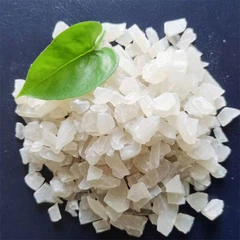
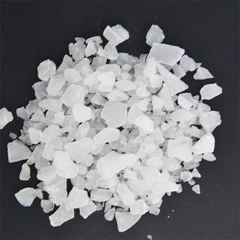
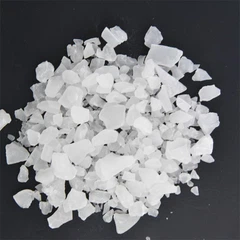
Aluminum Sulphate Flake, as described on Aluminum Sulphate Flake and Aluminum Sulphate Flake, is a convenient form of aluminum sulphate for industrial use. The flake form is easy to handle, store, and dissolve in water. When using aluminum sulphate flake for metal surface treatment, it is important to ensure proper dissolution to achieve the desired concentration.
Considerations for Using 15.8% Aluminum Sulphate in Metal Surface Treatment
- Concentration and pH: The concentration of the aluminum sulphate solution and its pH value are critical factors. A 15.8% concentration may need to be adjusted depending on the specific metal and the treatment requirements. The pH of the solution can also affect the treatment process, and it should be carefully controlled.
- Treatment Time and Temperature: The duration of the treatment and the temperature of the solution can influence the effectiveness of the treatment. Longer treatment times and higher temperatures may enhance the formation of the protective layer, but they also need to be balanced to avoid over - treatment or damage to the metal surface.
- Safety Precautions: Aluminum sulphate is an acidic chemical, and proper safety precautions should be taken when handling it. This includes wearing protective clothing, gloves, and goggles, and ensuring proper ventilation in the treatment area.
Conclusion
In conclusion, 15.8% aluminum sulphate can be a viable option for metal surface treatment in certain applications. It offers potential benefits such as corrosion inhibition, surface cleaning, and improved adhesion. However, it also has limitations, especially in harsh environments. By carefully considering the metal type, treatment conditions, and safety precautions, aluminum sulphate can be effectively used in metal surface treatment processes.
If you are interested in exploring the use of our 15.8% aluminum sulphate for your metal surface treatment needs, I encourage you to reach out for further discussion. We can provide detailed technical information and support to help you determine the best approach for your specific requirements.
References
- Smith, J. (2018). Industrial Chemicals in Surface Treatment. Chemical Industry Press.
- Johnson, R. (2019). Corrosion Protection of Metals. Metallurgy Journal.
- Brown, A. (2020). Aluminum Sulphate: Properties and Applications. Chemical Science Review.
Send Inquiry