
What are the adsorption properties of aluminium sulphate 17?
Oct 20, 2025
Leave a message
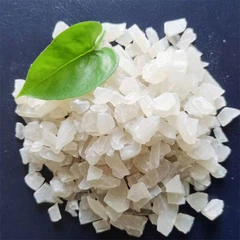
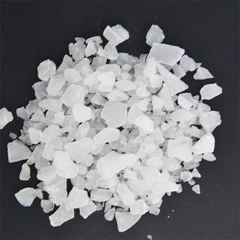
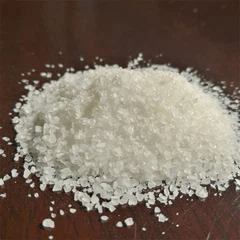
Hey there! I'm a supplier of Aluminium Sulphate 17, and today I wanna chat about its adsorption properties. Aluminium Sulphate 17, also known as Aluminium Sulphate 17, is a pretty cool chemical with some interesting characteristics when it comes to adsorption.
First off, let's understand what adsorption is. Adsorption is the process where molecules or ions from a gas, liquid, or dissolved solid adhere to a surface. It's different from absorption, where the substance gets taken up into the bulk of another material. Aluminium Sulphate 17 has some unique features that make it a good adsorbent in various applications.


One of the main areas where Aluminium Sulphate 17 shows its adsorption prowess is in water treatment. Water can contain all sorts of impurities, like suspended particles, organic matter, and even some heavy metals. When Aluminium Sulphate 17 is added to water, it forms a gelatinous precipitate of aluminium hydroxide. This precipitate acts like a magnet for the impurities in the water.
The positively charged aluminium hydroxide particles attract the negatively charged particles in the water. For example, many suspended solids in water carry a negative charge. The aluminium hydroxide adsorbs these solids, causing them to clump together and settle out of the water. This process is called coagulation and flocculation. Coagulation is the initial step where the charges on the particles are neutralized, and flocculation is when the neutralized particles come together to form larger, heavier flocs that can be easily removed by sedimentation or filtration.
In the case of organic matter in water, Aluminium Sulphate 17 can also adsorb it. Organic compounds often have functional groups that can interact with the aluminium hydroxide precipitate. This adsorption helps in reducing the chemical oxygen demand (COD) and biological oxygen demand (BOD) of the water. COD and BOD are measures of the amount of organic matter in water that can consume oxygen, which is crucial for aquatic life. By adsorbing the organic matter, Aluminium Sulphate 17 helps in purifying the water and making it safer for various uses, like drinking water supply and industrial processes.
Another aspect of its adsorption properties is related to heavy metal removal. Heavy metals such as lead, cadmium, and mercury can be present in water due to industrial discharges and other sources. These metals are toxic and can have serious health effects on humans and the environment. Aluminium Sulphate 17 can adsorb these heavy metals through ion exchange and surface complexation mechanisms.
The surface of the aluminium hydroxide precipitate has sites where metal ions can bind. For example, the hydroxyl groups on the surface of the precipitate can react with metal ions to form stable complexes. This reduces the concentration of heavy metals in the water, making it less harmful.
Apart from water treatment, Aluminium Sulphate 17 also has applications in the paper industry. In papermaking, it is used as a sizing agent. Sizing is the process of making paper resistant to water penetration. Aluminium Sulphate 17 helps in this process by adsorbing onto the cellulose fibers of the paper. It forms a layer on the fibers that reduces the porosity of the paper, making it more water - resistant.
The adsorption of Aluminium Sulphate 17 on the cellulose fibers also affects the surface charge of the fibers. This can influence the interaction between the fibers and other additives in the papermaking process, such as dyes and fillers. By controlling the adsorption of Aluminium Sulphate 17, papermakers can achieve the desired properties of the paper, like smoothness, strength, and printability.
When it comes to the comparison with other aluminium sulphate products, Aluminium Sulphate Non Ferric is another option. Non - ferric aluminium sulphate is similar in many ways to Aluminium Sulphate 17, but it is free from iron impurities. Iron can sometimes cause discoloration in water treatment and other applications. So, in cases where color is a concern, Aluminium Sulphate Non Ferric might be a better choice. However, Aluminium Sulphate 17 still offers good adsorption properties and is more cost - effective in many situations.
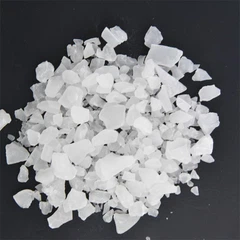
Iron Free Aluminum Sulphate Flakes are also available in the market. These flakes are convenient for storage and handling. They dissolve easily in water, and their adsorption properties are similar to those of Aluminium Sulphate 17. The main difference is in the physical form, and the choice between them depends on the specific requirements of the application and the user's preference.
Now, if you're in the market for Aluminium Sulphate 17 or any of our related products, I'd love to have a chat with you. Whether you're involved in water treatment, paper manufacturing, or any other industry where adsorption properties are important, our products can meet your needs. We have a team of experts who can help you determine the right product and dosage for your specific application. So, don't hesitate to reach out and start a conversation about your procurement needs.
In conclusion, Aluminium Sulphate 17 is a versatile chemical with excellent adsorption properties. Its ability to adsorb impurities in water, interact with cellulose fibers in papermaking, and remove heavy metals makes it a valuable product in various industries. If you have any questions or are interested in purchasing, feel free to get in touch, and we'll work together to find the best solution for you.
References
- "Water Treatment Chemicals: A Guide to Their Use and Applications" by J. D. Gregory
- "Papermaking: The History and Technology of an Ancient Craft" by Mark Kurlansky
Send Inquiry