

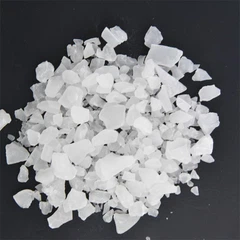
What are the applications of aluminum sulphate flake in the ceramic industry?
Nov 07, 2025
Leave a message
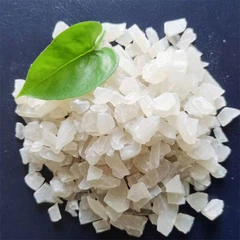
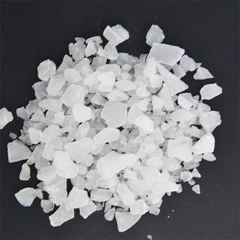
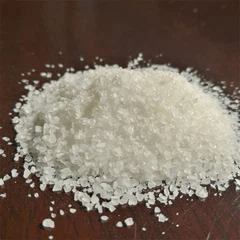
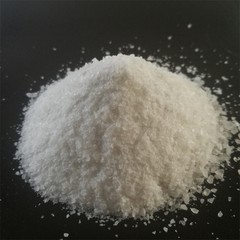
Hey there! As a supplier of aluminum sulphate flake, I've seen firsthand the amazing applications this product has in the ceramic industry. In this blog, I'm gonna share with you some of the key ways aluminum sulphate flake is used in ceramics.
1. Coagulation and Flocculation in Ceramic Slurry Preparation
One of the primary applications of aluminum sulphate flake in the ceramic industry is in the preparation of ceramic slurries. Ceramic slurries are mixtures of ceramic powders, water, and various additives. These slurries need to have the right consistency and stability for proper casting or shaping of ceramic products.
Aluminum sulphate flake acts as a coagulant and flocculant in the slurry. When added to the slurry, it helps to neutralize the surface charges of the ceramic particles. You see, ceramic particles in water often carry negative charges on their surfaces. These negative charges cause the particles to repel each other, which can lead to a very stable but often too-thin slurry. Aluminum sulphate, which dissociates into aluminum ions (Al³⁺) and sulphate ions (SO₄²⁻) in water, neutralizes these negative charges.
Once the charges are neutralized, the ceramic particles start to come together and form larger aggregates or flocs. This process is called flocculation. The flocs are easier to settle, which helps in the dewatering process. For example, in the production of ceramic tiles, the slurry needs to be thickened before it can be pressed into the desired shape. Aluminum sulphate flake speeds up this thickening process, making the production more efficient.
You can find more information about the type of aluminum sulphate used in such industrial processes on our Industrial Aluminum Sulphate page.
2. Adjusting the pH of Ceramic Glazes
Ceramic glazes are thin layers of glassy material that are applied to the surface of ceramic products. They not only enhance the appearance of the ceramics but also provide protection. The pH of the glaze is crucial for its proper application and performance.


Aluminum sulphate flake can be used to adjust the pH of ceramic glazes. Glazes typically have a specific pH range within which they work best. If the pH is too high or too low, it can affect the viscosity of the glaze, the way it adheres to the ceramic surface, and the final appearance of the glaze.
When aluminum sulphate is added to the glaze, it can lower the pH due to the acidic nature of the aluminum ions in solution. This is especially useful when the glaze has a higher pH than desired. By carefully controlling the amount of aluminum sulphate added, ceramic manufacturers can achieve the optimal pH for their glazes, resulting in a more consistent and high - quality finish.
3. Improving the Green Strength of Ceramic Bodies
The green strength of a ceramic body refers to its strength before it is fired. It's important because it determines how well the ceramic can be handled during the shaping and drying processes without cracking or deforming.
Aluminum sulphate flake can improve the green strength of ceramic bodies. When added to the ceramic mixture, it forms chemical bonds between the ceramic particles. These bonds hold the particles together more tightly, increasing the overall strength of the green body.
For instance, in the production of ceramic sanitary ware, which often has complex shapes, a high green strength is essential. The use of aluminum sulphate flake helps the ceramic body maintain its shape during the drying and handling stages, reducing the number of defective products.
4. Enhancing the Firing Properties of Ceramics
During the firing process, ceramics undergo significant physical and chemical changes. Aluminum sulphate flake can play a role in enhancing these firing properties.
It can act as a fluxing agent in some cases. A flux is a substance that lowers the melting point of the ceramic material. When aluminum sulphate is present in the ceramic body or glaze, it can help the ceramic components to melt and fuse together at a lower temperature. This not only saves energy during the firing process but also can improve the density and hardness of the final ceramic product.
Moreover, aluminum sulphate can influence the crystallization process during firing. The aluminum ions can participate in the formation of new crystal structures within the ceramic matrix, which can enhance the mechanical and thermal properties of the ceramics.
5. Use in Ceramic Wastewater Treatment
The ceramic industry generates a significant amount of wastewater during its production processes. This wastewater contains various contaminants such as ceramic particles, dyes, and chemicals. Aluminum sulphate flake is an effective coagulant in ceramic wastewater treatment.
Just like in the slurry preparation, it helps to aggregate the suspended solids in the wastewater. The flocs formed by the action of aluminum sulphate are easy to separate from the water through sedimentation or filtration. This process removes the majority of the solid contaminants from the wastewater, making it easier to treat further and meet environmental discharge standards.
We also offer Aluminium Sulphate Liquid which can be an alternative option for some wastewater treatment applications, depending on the specific requirements of the ceramic factory.
Why Choose Our Aluminum Sulphate Flake
As a supplier, we take pride in offering high - quality aluminum sulphate flake. Our product is carefully manufactured to meet the strict requirements of the ceramic industry. We ensure a consistent chemical composition, which is crucial for achieving reliable results in all the applications mentioned above.
We also provide excellent customer service. Whether you have questions about the product, need technical support, or want to discuss your specific needs, our team is always ready to assist you.
If you're in the ceramic industry and looking for a reliable source of aluminum sulphate flake, we'd love to hear from you. You can check out more details about our Aluminum Sulphate Flake on our website. We're open to starting a conversation about your procurement needs and how our product can fit into your production processes. Don't hesitate to reach out and let's see how we can work together to improve your ceramic production.
References
- Kingery, W. D., Bowen, H. K., & Uhlmann, D. R. (1976). Introduction to Ceramics. Wiley.
- Reed, J. S. (1995). Principles of Ceramic Processing. Wiley.
Send Inquiry