

What are the effects of aluminium sulphate non ferric on the color of water?
Sep 05, 2025
Leave a message
As a supplier of non - ferric aluminium sulphate, I've witnessed firsthand the widespread use of this chemical in various industries, especially in water treatment. One of the most common questions I encounter is about its effects on the color of water. In this blog, I'll delve into the science behind non - ferric aluminium sulphate and how it impacts water color.
Understanding Non - Ferric Aluminium Sulphate
Non - ferric aluminium sulphate, also known as Non Iron Aluminum Sulphate, is a chemical compound with the formula Al₂(SO₄)₃. The “non - ferric” part indicates that it contains little to no iron impurities. This is crucial because iron can cause significant color changes in water, such as yellow or brown discoloration.
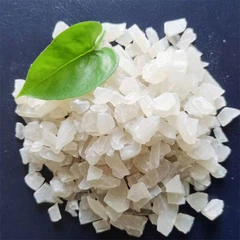
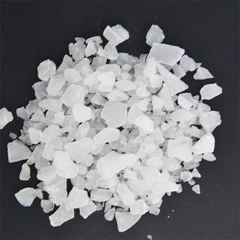
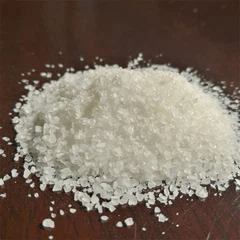
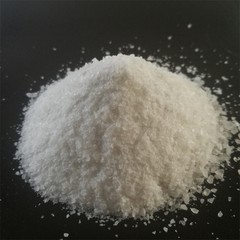
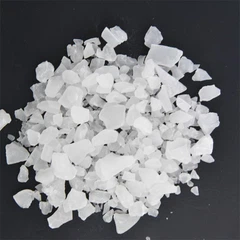
This compound is available in different forms, including Iron Free Aluminum Sulphate Flakes and Iron Free Aluminum Sulphate Granules. These forms are preferred in water treatment due to their high solubility and ease of handling.
Mechanism of Action in Water Treatment
Non - ferric aluminium sulphate is primarily used as a coagulant in water treatment. When added to water, it dissociates into aluminium ions (Al³⁺) and sulphate ions (SO₄²⁻). The aluminium ions react with water molecules to form aluminium hydroxide, a gelatinous precipitate. This precipitate has a high surface area and can attract and trap suspended particles, such as clay, silt, and organic matter, in the water.
The process of coagulation is based on the principle of charge neutralization. Many suspended particles in water carry a negative charge. The positively charged aluminium ions neutralize these negative charges, causing the particles to come together and form larger aggregates, or flocs. These flocs are then easier to remove through sedimentation or filtration.
Effects on Water Color
Removal of Color - Causing Substances
One of the main effects of non - ferric aluminium sulphate on water color is the removal of color - causing substances. Organic matter, such as humic and fulvic acids, is a common source of color in natural water. These substances are often yellow or brown in color and can make water appear unappealing.
When non - ferric aluminium sulphate is added to water, the aluminium hydroxide precipitate adsorbs these organic substances. As the flocs settle or are filtered out, the organic matter is removed from the water, resulting in a significant reduction in color. In many cases, water that was initially yellow or brown can become clear and colorless after treatment with non - ferric aluminium sulphate.
Prevention of Iron - Induced Color Changes
As mentioned earlier, iron impurities can cause color changes in water. Iron can exist in two forms in water: ferrous iron (Fe²⁺) and ferric iron (Fe³⁺). Ferrous iron is colorless in solution, but when it comes into contact with oxygen, it oxidizes to ferric iron, which forms a yellow or brown precipitate.
Since non - ferric aluminium sulphate contains little to no iron, it does not introduce additional iron into the water. This helps to prevent iron - induced color changes. Moreover, the coagulation process can also remove any existing iron in the water by adsorbing it onto the aluminium hydroxide flocs.
Impact on Turbidity and Color Perception
Turbidity, or the cloudiness of water, is closely related to water color. Turbid water often appears more colored because the suspended particles scatter light, making it difficult to see through the water. Non - ferric aluminium sulphate reduces turbidity by removing suspended particles. As the turbidity decreases, the water becomes clearer, and the true color of the water is more apparent.
In some cases, even if the water still has a slight color after treatment, the reduced turbidity can make the color seem less intense. For example, water with a light yellow color may appear more vibrant when it is turbid, but after treatment with non - ferric aluminium sulphate, the reduced turbidity can make the yellow color seem less noticeable.


Factors Affecting the Effectiveness of Color Removal
Dosage
The dosage of non - ferric aluminium sulphate is a critical factor in color removal. If the dosage is too low, there may not be enough aluminium hydroxide precipitate to adsorb all the color - causing substances. On the other hand, if the dosage is too high, it can lead to the formation of excessive flocs, which may increase the turbidity of the water and cause other problems, such as increased sludge production.
The optimal dosage depends on several factors, including the initial color and turbidity of the water, the type and concentration of color - causing substances, and the water temperature. In general, a higher dosage is required for water with higher color and turbidity.
pH of the Water
The pH of the water also affects the effectiveness of non - ferric aluminium sulphate in color removal. The formation of aluminium hydroxide is pH - dependent. The optimal pH range for the formation of aluminium hydroxide is between 5.5 and 7.5.
If the pH is too low, the aluminium ions may not react completely with water to form aluminium hydroxide. If the pH is too high, the aluminium hydroxide may dissolve, reducing its ability to adsorb color - causing substances. Therefore, it is often necessary to adjust the pH of the water before adding non - ferric aluminium sulphate to ensure optimal performance.
Contact Time
The contact time between non - ferric aluminium sulphate and the water is another important factor. Sufficient contact time is required for the aluminium ions to react with water, form aluminium hydroxide, and adsorb the color - causing substances. In a water treatment plant, the contact time is usually controlled by the design of the mixing and sedimentation tanks.
Applications in Different Industries
Drinking Water Treatment
In drinking water treatment, non - ferric aluminium sulphate is widely used to improve the color and clarity of water. Consumers expect drinking water to be clear and colorless, and non - ferric aluminium sulphate helps to meet this expectation. By removing color - causing substances and preventing iron - induced color changes, it ensures that the treated water is safe and aesthetically pleasing.
Industrial Water Treatment
Many industries, such as the textile, paper, and food industries, require high - quality water for their processes. Non - ferric aluminium sulphate is used in these industries to treat process water and wastewater. In the textile industry, for example, it can remove colorants from dyeing wastewater, allowing the water to be reused or discharged safely.
Swimming Pool Water Treatment
Non - ferric aluminium sulphate is also used in swimming pool water treatment. It helps to keep the pool water clear and free of color. By removing suspended particles and organic matter, it reduces the growth of algae and bacteria, which can also affect water color.
Conclusion
Non - ferric aluminium sulphate plays a crucial role in water color improvement. Its ability to remove color - causing substances, prevent iron - induced color changes, and reduce turbidity makes it an effective coagulant in water treatment. However, the effectiveness of color removal depends on several factors, such as dosage, pH, and contact time.
As a supplier of non - ferric aluminium sulphate, I understand the importance of providing high - quality products and technical support to our customers. If you are interested in purchasing non - ferric aluminium sulphate for your water treatment needs or have any questions about its effects on water color, please feel free to contact us. We are committed to helping you achieve the best results in water treatment.
References
- AWWA (American Water Works Association). Water Treatment Principles and Design. McGraw - Hill, 2012.
- Letterman, Richard D. Water Quality and Treatment: A Handbook of Community Water Supplies. McGraw - Hill, 2014.
- Tchobanoglous, George, et al. Wastewater Engineering: Treatment and Reuse. McGraw - Hill, 2014.
Send Inquiry