

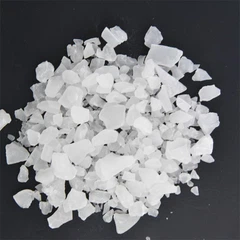
What are the transportation requirements for 15.8% aluminum sulphate?
Oct 06, 2025
Leave a message
Hey there! I'm a supplier of 15.8% aluminum sulphate, and I often get asked about the transportation requirements for this product. In this blog post, I'll share all the ins and outs of transporting 15.8% aluminum sulphate, so you'll know exactly what to expect.
Understanding 15.8% Aluminum Sulphate
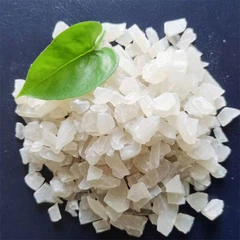
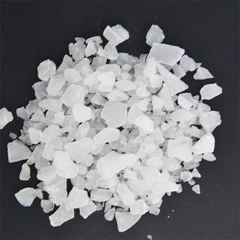
Before we dive into the transportation requirements, let's quickly go over what 15.8% aluminum sulphate is. Aluminum sulphate is a chemical compound that's commonly used in water treatment, paper manufacturing, and as a mordant in dyeing processes. The 15.8% refers to the concentration of aluminum sulphate in the solution or product.
There are different types of aluminum sulphate products out there. For example, you've got Aluminium Sulphate Octadecahydrate, which has its own unique properties and uses. Then there's Ferric Aluminium Sulphate, and Iron-Free Aluminum Sulfate Powder For Sewage Treatment, each with their specific applications in various industries.
Packaging Requirements
The first step in transporting 15.8% aluminum sulphate is getting the right packaging. This stuff needs to be protected from moisture, physical damage, and contamination.
Containers
- Drums: For smaller quantities, drums are a popular choice. They're usually made of high - density polyethylene (HDPE) or steel. HDPE drums are lightweight, corrosion - resistant, and relatively inexpensive. Steel drums, on the other hand, are more durable and can withstand more rough handling, but they need to be properly coated to prevent rusting.
- Tankers: When it comes to large - scale transportation, tankers are the way to go. These can be road tankers or rail tankers. Road tankers are great for local or regional deliveries, while rail tankers are more suitable for long - distance and bulk shipments. Tankers need to be made of materials that are compatible with aluminum sulphate, like stainless steel or lined carbon steel.
Sealing
Proper sealing is crucial. All containers, whether drums or tankers, must have tight - fitting lids or hatches. This prevents any leakage during transit, which can not only cause a mess but also be a safety hazard.


Labeling and Documentation
Labeling
- Every container of 15.8% aluminum sulphate must be clearly labeled. The label should include the product name, concentration (15.8% in our case), hazard warnings, and handling instructions. Hazard warnings might include information about the product being corrosive, which is a common characteristic of aluminum sulphate solutions.
- The label should also have the name and contact information of the supplier. This way, if there are any issues during transportation, the carrier or the recipient can easily get in touch with us.
Documentation
- Bill of Lading: This is a crucial document that details the quantity, destination, and origin of the shipment. It serves as a contract between the shipper (us) and the carrier.
- Safety Data Sheet (SDS): The SDS provides detailed information about the chemical properties, hazards, and safety precautions of 15.8% aluminum sulphate. It's a legal requirement to provide an SDS with every shipment, and carriers and receivers need to have access to it in case of an emergency.
Safety Precautions
Transporting 15.8% aluminum sulphate comes with some safety risks, mainly due to its corrosive nature.
For Carriers
- Training: Carriers need to be properly trained in handling corrosive materials. This includes knowing how to load and unload the product safely, how to respond to spills, and how to use personal protective equipment (PPE).
- PPE: The carriers should always wear appropriate PPE, such as chemical - resistant gloves, goggles, and aprons. This protects them from any potential splashes or spills.
During Transit
- Avoidance of Contaminants: The product should be kept away from other chemicals that could react with it. For example, it should not be transported alongside strong alkalis, as this can cause a violent chemical reaction.
- Temperature Control: Extreme temperatures can affect the stability of aluminum sulphate. In hot weather, the product might expand, increasing the risk of leakage. In cold weather, it could crystallize, which can clog pipes and valves in tankers. So, carriers need to take appropriate measures to control the temperature, such as using insulated containers or climate - controlled vehicles.
Regulatory Compliance
There are a bunch of regulations that govern the transportation of 15.8% aluminum sulphate.
International Regulations
- The United Nations (UN) has a set of regulations for the transportation of dangerous goods. Aluminum sulphate is classified as a dangerous good, and shipments need to comply with these regulations. This includes proper packaging, labeling, and documentation as per the UN standards.
National and Local Regulations
- Different countries and regions have their own specific regulations. For example, some areas might have restrictions on the quantity of corrosive materials that can be transported on certain roads or through certain areas. It's our responsibility as suppliers to make sure that our customers and carriers are aware of these regulations.
Transportation Modes
Road Transport
- Road transport is flexible and can reach almost any destination. However, it has its limitations. The size of the shipment is restricted by the capacity of the road tanker or the number of drums that can be loaded onto a truck. Also, road conditions and traffic can affect the delivery time.
Rail Transport
- Rail transport is great for bulk shipments over long distances. It's generally more cost - effective for large quantities. But it can be less flexible in terms of delivery locations, as it requires access to rail terminals.
Sea Transport
- For international shipments, sea transport is often the best option. It can handle very large volumes of 15.8% aluminum sulphate. However, it has a longer transit time, and there are additional regulations and procedures related to customs clearance.
Cost Considerations
The cost of transporting 15.8% aluminum sulphate depends on several factors.
- Distance: Longer distances usually mean higher transportation costs. This is true for all transportation modes, whether it's road, rail, or sea.
- Quantity: Bulk shipments are generally more cost - effective per unit than smaller shipments. This is because the fixed costs, like the cost of the tanker or the container, are spread over a larger quantity.
- Transportation Mode: Each mode has its own cost structure. Road transport might be more expensive for long - distance bulk shipments compared to rail or sea transport, but it's more convenient for smaller and local deliveries.
Conclusion
Transporting 15.8% aluminum sulphate requires careful planning and adherence to various requirements. From proper packaging and labeling to safety precautions and regulatory compliance, every step is crucial to ensure a safe and successful shipment.
If you're in the market for 15.8% aluminum sulphate and have questions about transportation or want to discuss a potential purchase, don't hesitate to reach out. We're here to help you navigate through the process and make sure you get the best product at the best price.
References
- United Nations, "Recommendations on the Transport of Dangerous Goods", various editions.
- Local and national transportation safety and chemical regulations.
Send Inquiry