

What is the shelf life of aluminum sulphate powder?
Oct 03, 2025
Leave a message
The shelf life of a product is a crucial consideration for both suppliers and customers. As a supplier of aluminum sulphate powder, I often receive inquiries about its shelf life. In this blog post, I will delve into the factors that influence the shelf life of aluminum sulphate powder, typical shelf - life durations, and how to ensure its quality over time.
What is Aluminum Sulphate Powder?
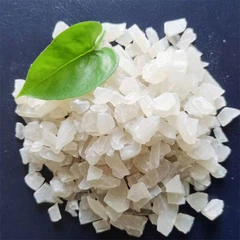
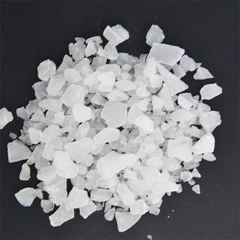
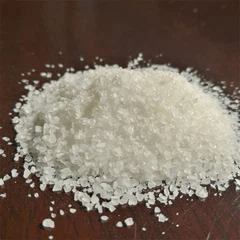
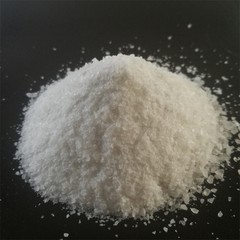
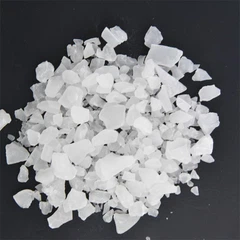
Aluminum sulphate powder is a chemical compound with the formula (Al_2(SO_4)_3). It exists in different forms, such as the hydrated form known as Aluminium Sulphate Octadecahydrate ((Al_2(SO_4)_3\cdot18H_2O)). This compound has a wide range of applications. In the water treatment industry, it is used as a coagulant to remove impurities and suspended particles from water. In the paper industry, it helps in sizing paper to improve its water - resistance and printability. It is also used in the textile industry for dyeing and printing processes, and in the production of various other chemicals.
Factors Affecting the Shelf Life of Aluminum Sulphate Powder
Chemical Stability
Aluminum sulphate is a relatively stable compound under normal conditions. Its chemical structure is resistant to many environmental factors. However, it can react with strong alkalis, which may lead to the formation of other compounds. For example, when aluminum sulphate comes into contact with sodium hydroxide, a reaction occurs to form aluminum hydroxide and sodium sulphate. Therefore, if stored in an environment where it can be exposed to alkaline substances, its chemical composition may change, reducing its effectiveness and shelf life.
Moisture
Moisture is one of the most significant factors affecting the shelf life of aluminum sulphate powder. Aluminum sulphate has a certain degree of hygroscopicity, which means it can absorb water from the surrounding air. When it absorbs moisture, the powder may clump together. These clumps can be difficult to disperse, which is a problem when the powder needs to be used in a process where uniform dispersion is required, such as in water treatment. Moreover, excessive moisture can initiate hydrolysis reactions. Hydrolysis of aluminum sulphate in the presence of water can lead to the formation of aluminum hydroxide and sulfuric acid. This not only changes the chemical composition of the powder but also may pose a safety hazard due to the formation of acid.
Temperature
Temperature also plays an important role. High temperatures can accelerate chemical reactions. In the case of aluminum sulphate, elevated temperatures can increase the rate of hydrolysis if moisture is present. Additionally, extreme temperature fluctuations can cause physical changes in the powder. For example, repeated cycles of heating and cooling may cause the powder particles to expand and contract, which can lead to the breakdown of the powder structure and the formation of finer particles or clumps.
Storage Conditions
The way aluminum sulphate powder is stored can significantly impact its shelf life. If it is stored in a well - sealed container in a dry, cool, and dark place, its shelf life can be extended. On the other hand, if it is stored in an open container or in a place with high humidity and temperature, such as a damp basement or a hot warehouse without proper ventilation, the powder will degrade more quickly.
Typical Shelf Life of Aluminum Sulphate Powder
Under ideal storage conditions, which include a temperature range of 20 - 25°C (68 - 77°F) and a relative humidity of less than 50%, the shelf life of aluminum sulphate powder is typically around 2 - 3 years. However, this is a general estimate, and the actual shelf life can vary depending on the factors mentioned above.


If the powder is stored in a sealed, air - tight container in a climate - controlled environment, it may remain stable for up to 3 years. But if the storage conditions are sub - optimal, for example, if the powder is exposed to high humidity for an extended period, its shelf life may be reduced to less than a year.
Ensuring the Quality of Aluminum Sulphate Powder During Storage
Proper Packaging
Using high - quality packaging is essential. The powder should be packed in sealed plastic bags or drums with tight - fitting lids. These containers should be made of materials that are resistant to moisture and chemical corrosion. For example, polyethylene bags are commonly used as they provide a good barrier against moisture.
Storage Environment
The storage area should be dry, cool, and well - ventilated. It is recommended to store the powder on pallets to keep it off the floor and away from potential sources of moisture. The storage area should also be protected from direct sunlight, as UV radiation can sometimes cause chemical changes in the powder over time.
Regular Inspection
Regularly inspecting the stored powder is a good practice. Check for signs of clumping, discoloration, or any other physical changes. If any issues are detected, appropriate measures should be taken immediately, such as transferring the powder to a better - sealed container or using it up as soon as possible.
Our Role as a Supplier
As a Aluminum Sulfate Powder Factory, we take great care in the production and packaging of our aluminum sulphate powder. We ensure that the powder is of high purity and is packed in air - tight containers to minimize the impact of environmental factors during transportation and storage. We also provide detailed storage instructions to our customers to help them maintain the quality of the product.
Our Industrial Aluminum Sulphate is produced using advanced manufacturing processes, which ensures its chemical stability and consistent quality. We have strict quality control measures in place at every stage of production, from raw material sourcing to the final packaging.
Contact for Purchase and Discussion
If you are interested in purchasing aluminum sulphate powder or have any questions regarding its shelf life, usage, or other related topics, we are here to assist you. Our team of experts can provide you with detailed information and guidance to meet your specific requirements. Please feel free to reach out to us for further discussion and to start a potential business partnership.
References
- Cotton, F. A., & Wilkinson, G. (1988). Advanced Inorganic Chemistry. John Wiley & Sons.
- Kirk - Othmer Encyclopedia of Chemical Technology. (2001). Wiley - Interscience.
- Environmental Protection Agency. (2019). Water Treatment Chemicals: Guidance for Compliance with the SDWA. U.S. EPA.
Send Inquiry