

What is the impact of reagent grade aluminum sulphate on the corrosion resistance of metals?
May 20, 2025
Leave a message
Hey there! I'm a supplier of reagent grade aluminum sulphate, and today I want to chat about the impact of this stuff on the corrosion resistance of metals. It's a topic that's super important, especially for industries where metal durability is key.
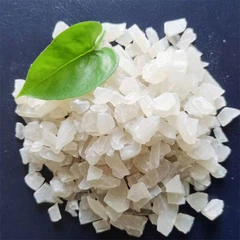
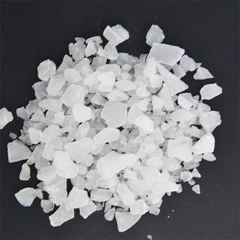
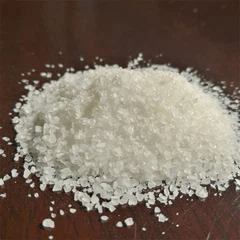
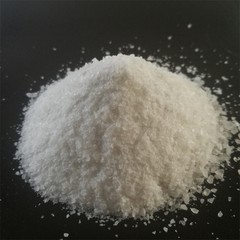
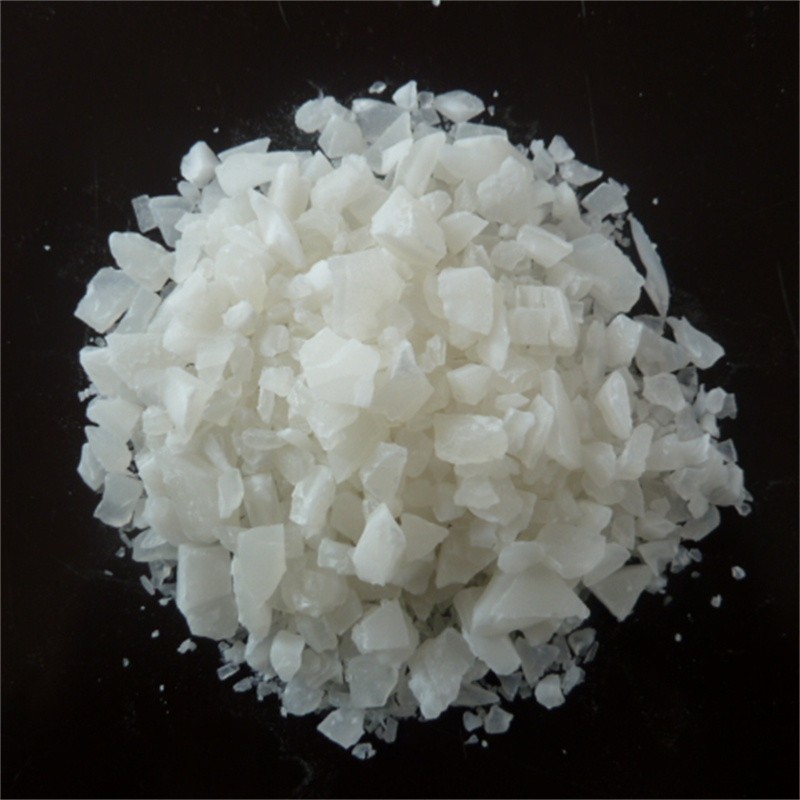
Let's start by understanding what reagent grade aluminum sulphate is. It's a high - quality form of aluminum sulphate that's used in a variety of applications. It's made to meet strict purity standards, which makes it great for scientific and industrial uses. You can check out some of our products like 16% Aluminum Sulphate and 17% Aluminum Sulphate Powder.

Now, when it comes to metal corrosion, it's basically a natural process where metals react with their environment and start to break down. This can be a huge problem for things like bridges, cars, and industrial equipment. Corrosion can weaken the metal, reduce its lifespan, and even cause safety hazards.
So, how does reagent grade aluminum sulphate fit into this picture? Well, one of the ways it can impact corrosion resistance is through the formation of a protective layer on the metal surface. When aluminum sulphate comes into contact with certain metals, it can react with the metal ions and form a thin film. This film acts as a barrier between the metal and the corrosive environment. For example, in some cases, it can prevent oxygen and water from reaching the metal surface, which are two of the main culprits in the corrosion process.
Another aspect is the role of aluminum sulphate in adjusting the pH of the surrounding environment. Many metals corrode faster in acidic or alkaline conditions. Reagent grade aluminum sulphate can be used to buffer the pH, keeping it within a range where the metal is more resistant to corrosion. This is particularly useful in industrial settings where the metal is exposed to different types of chemicals and solutions.
Let's talk about some specific metals and how they interact with reagent grade aluminum sulphate.
Steel
Steel is one of the most widely used metals in the world, and corrosion is a major concern for it. When steel is treated with aluminum sulphate, the aluminum ions can react with the iron in the steel. This can lead to the formation of a layer of aluminum - iron compounds on the surface. This layer helps to passivate the steel, making it more resistant to rusting. In a lot of industrial water treatment processes, where steel pipes are used, adding a small amount of reagent grade aluminum sulphate can significantly reduce the corrosion rate of the pipes.
Aluminum
You might think that since aluminum sulphate contains aluminum, it wouldn't have much of an impact on aluminum metal. But that's not the case. Aluminum naturally forms a thin oxide layer on its surface, which protects it from further corrosion. Reagent grade aluminum sulphate can help to enhance this oxide layer. It can provide additional aluminum ions that react with oxygen in the air to form a thicker and more stable oxide layer. This makes the aluminum more resistant to pitting corrosion, which is a common type of corrosion in aluminum. You can also find Iron Free Aluminum Sulphate Flakes which can be used in processes related to aluminum treatment.
Copper
Copper is another metal that can benefit from the use of reagent grade aluminum sulphate. Copper corrosion often results in the formation of a greenish - blue patina. While this patina can be aesthetically pleasing in some cases, it can also indicate that the copper is being corroded. Aluminum sulphate can react with the copper surface and form a protective layer that slows down the corrosion process. In electrical applications where copper wires are used, this can help to maintain the conductivity of the wires over a longer period.
However, it's important to note that the impact of reagent grade aluminum sulphate on corrosion resistance isn't always straightforward. There are several factors that can affect its effectiveness.
Concentration
The concentration of aluminum sulphate in the solution or treatment process matters a lot. If the concentration is too low, it might not be able to form a sufficient protective layer on the metal surface. On the other hand, if the concentration is too high, it could potentially cause other problems, such as the formation of an uneven or brittle layer that might not provide good corrosion protection.
Temperature
Temperature can also play a role. Higher temperatures generally increase the rate of chemical reactions. So, if the treatment with aluminum sulphate is done at a high temperature, the reaction between the aluminum sulphate and the metal might occur more quickly. But this could also lead to the formation of a less - stable protective layer.
Metal Composition
The composition of the metal itself is crucial. Different metals and metal alloys have different reactions to aluminum sulphate. For example, a metal alloy with a high percentage of certain elements might react differently compared to a pure metal.
In real - world applications, there are many industries that rely on the use of reagent grade aluminum sulphate to improve metal corrosion resistance.
Construction Industry
In the construction industry, metals are used extensively in buildings, bridges, and other structures. Corrosion can pose a serious threat to the safety and longevity of these structures. By using reagent grade aluminum sulphate in concrete admixtures or in the treatment of metal components, the construction industry can ensure that the metals used are more resistant to corrosion. This helps to reduce maintenance costs and extend the lifespan of the structures.
Automotive Industry
The automotive industry also benefits from the use of aluminum sulphate. Cars are made up of many metal parts, and corrosion can make these parts weak and unreliable. By treating the metal components with aluminum sulphate, car manufacturers can improve the corrosion resistance of the cars. This not only makes the cars safer but also more durable, which is a big selling point for consumers.
Chemical Processing Industry
In the chemical processing industry, metals are exposed to a wide range of corrosive chemicals. Reagent grade aluminum sulphate can be used in the treatment of metal equipment to protect it from corrosion. This helps to prevent leaks and failures in the equipment, which can be costly and dangerous.
If you're in an industry that uses metals and is concerned about corrosion, reagent grade aluminum sulphate could be a great solution for you. We, as a supplier, have a wide range of high - quality aluminum sulphate products that can meet your specific needs. Whether you need it for a small - scale experiment or a large - scale industrial process, we've got you covered.
If you're interested in learning more about our products or want to discuss how reagent grade aluminum sulphate can help with your metal corrosion issues, feel free to reach out. We're always happy to have a chat and help you find the right solution for your business.
References
- Jones, D. A. (1992). Principles and Prevention of Corrosion. Prentice Hall.
- Uhlig, H. H., & Revie, R. W. (1985). Corrosion and Corrosion Control: An Introduction to Corrosion Science and Engineering. Wiley.
- Fontana, M. G. (1986). Corrosion Engineering. McGraw - Hill.
Send Inquiry