

What is the optimal dosage of aluminium sulfate for water treatment?
Jun 10, 2025
Leave a message
Hey there! I'm an aluminum sulfate water treatment supplier, and I've been getting a ton of questions lately about the optimal dosage of aluminum sulfate for water treatment. So, I thought I'd take some time to break it down for you all.
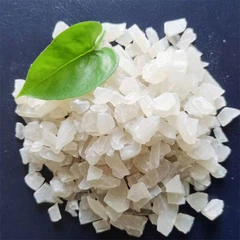
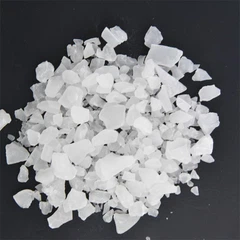
First off, let's talk a bit about what aluminum sulfate is and why it's used in water treatment. Aluminum sulfate, also known as alum, is a chemical compound that's commonly used to clarify water. It works by causing tiny particles in the water to clump together, making them easier to remove through sedimentation or filtration. This process is called coagulation, and it's a crucial step in many water treatment processes.
Now, onto the big question: what's the optimal dosage of aluminum sulfate for water treatment? Well, the answer isn't as straightforward as you might think. There are a bunch of factors that can affect the ideal dosage, including the quality of the water being treated, the specific treatment goals, and the characteristics of the aluminum sulfate being used.
One of the most important factors to consider is the turbidity of the water. Turbidity refers to the cloudiness or haziness of the water, which is caused by the presence of suspended particles. Generally speaking, the higher the turbidity of the water, the more aluminum sulfate you'll need to add to achieve effective coagulation. However, adding too much aluminum sulfate can also lead to problems, such as the formation of excessive sludge and the release of aluminum into the treated water, which can be harmful to human health.
Another factor to consider is the pH of the water. The pH scale ranges from 0 to 14, with 7 being neutral. Most water treatment processes work best when the pH of the water is between 6.5 and 8.5. Aluminum sulfate works most effectively in this pH range, so it's important to adjust the pH of the water if necessary before adding the aluminum sulfate. If the pH is too low or too high, the aluminum sulfate may not work as well, and you may need to add more of it to achieve the desired results.
The temperature of the water can also have an impact on the optimal dosage of aluminum sulfate. In general, warmer water requires less aluminum sulfate than colder water. This is because the chemical reactions that occur during coagulation are faster at higher temperatures, so less aluminum sulfate is needed to achieve the same level of coagulation.
In addition to these factors, the specific treatment goals can also affect the optimal dosage of aluminum sulfate. For example, if you're treating water for drinking purposes, you'll need to ensure that the treated water meets certain quality standards, such as having a low level of turbidity and a safe level of aluminum. On the other hand, if you're treating water for industrial purposes, you may be more concerned with removing specific contaminants, such as heavy metals or organic compounds.
So, how do you determine the optimal dosage of aluminum sulfate for your specific water treatment needs? The best way is to conduct a jar test. A jar test is a simple laboratory experiment that involves adding different amounts of aluminum sulfate to a series of jars containing samples of the water being treated. The jars are then stirred to simulate the mixing process in a water treatment plant, and the results are observed to determine the optimal dosage.
To conduct a jar test, you'll need a few basic supplies, including a set of jars, a stirrer, a pH meter, and a turbidity meter. Here's a step-by-step guide on how to conduct a jar test:


- Collect samples of the water being treated and divide them into several jars. Make sure each jar contains the same volume of water.
- Measure the pH and turbidity of each sample and record the results.
- Add different amounts of aluminum sulfate to each jar, starting with a low dosage and gradually increasing it. Make sure to label each jar with the amount of aluminum sulfate added.
- Stir the jars for a few minutes to ensure that the aluminum sulfate is evenly distributed throughout the water.
- Let the jars sit for a period of time to allow the coagulation process to occur. This typically takes about 30 minutes to an hour.
- After the coagulation process is complete, measure the turbidity of each sample again and record the results.
- Compare the results to determine the optimal dosage of aluminum sulfate. The optimal dosage is the amount that results in the lowest turbidity and the most effective coagulation.
Once you've determined the optimal dosage of aluminum sulfate for your specific water treatment needs, it's important to follow the recommended dosage guidelines carefully. Adding too much or too little aluminum sulfate can lead to problems, such as the formation of excessive sludge, the release of aluminum into the treated water, or the ineffective removal of contaminants.
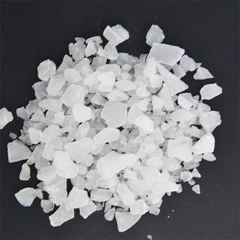
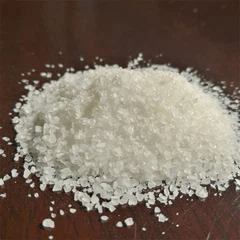
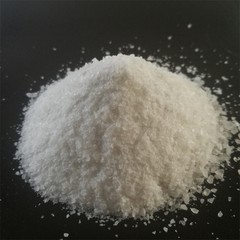
At our company, we offer a wide range of aluminum sulfate products for water treatment, including Ferric Aluminium Sulphate, Industrial Aluminum Sulphate, and Aluminum Sulphate Powder. Our products are of the highest quality and are designed to meet the specific needs of our customers. We also offer technical support and advice to help you determine the optimal dosage of aluminum sulfate for your water treatment application.
If you're interested in learning more about our aluminum sulfate products or have any questions about water treatment, please don't hesitate to contact us. We'd be happy to discuss your needs and help you find the best solution for your water treatment application. Whether you're a small water treatment plant or a large industrial facility, we have the expertise and products to meet your needs.
In conclusion, determining the optimal dosage of aluminum sulfate for water treatment is a complex process that requires careful consideration of several factors, including the turbidity, pH, temperature, and specific treatment goals of the water being treated. By conducting a jar test and following the recommended dosage guidelines, you can ensure that you're using the right amount of aluminum sulfate to achieve effective coagulation and produce high-quality treated water. If you have any further questions or need assistance with your water treatment application, please don't hesitate to reach out. We're here to help!
References
- AWWA (American Water Works Association). Water Treatment Principles and Design. McGraw - Hill.
- Benefield, L. M., Judkins, R. S., & Weand, B. L. Process Chemistry for Water and Wastewater Treatment. Prentice Hall.
Send Inquiry