

What is the solubility of aluminium sulfate in water for water treatment?
Jul 08, 2025
Leave a message
Hey everyone! As a supplier of aluminium sulfate for water treatment, I often get asked about the solubility of aluminium sulfate in water. It's a super important topic, especially for those in the water treatment industry. So, let's dive right in and explore this subject in detail.
What is Aluminium Sulfate?
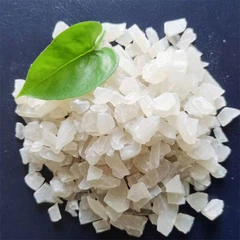
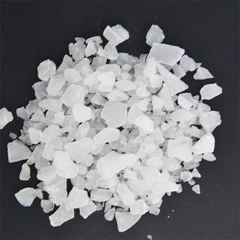
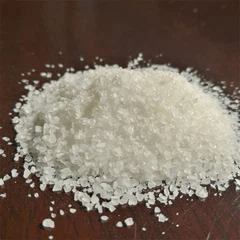
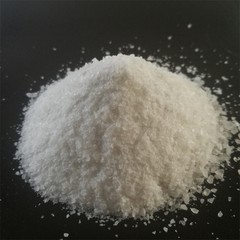
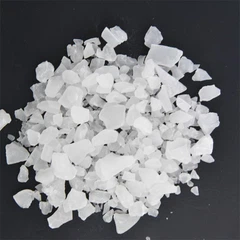
First off, aluminium sulfate, also known as alum, is a chemical compound with the formula Al₂(SO₄)₃. It's commonly used in water treatment processes to remove impurities and clarify water. We offer different forms of aluminium sulfate, like Aluminum Sulphate Flake, which is popular due to its ease of handling and storage. And our Industrial Aluminum Sulphate is of high - quality, meeting the needs of various industrial water treatment applications.
Solubility Basics
Solubility refers to the maximum amount of a substance that can dissolve in a given amount of solvent at a specific temperature and pressure. In the case of aluminium sulfate in water, it's all about how much of this compound can mix with water to form a homogeneous solution.
The solubility of aluminium sulfate in water is highly dependent on temperature. Generally, as the temperature increases, the solubility of aluminium sulfate also goes up. At room temperature (around 20°C), approximately 31.2 grams of aluminium sulfate can dissolve in 100 milliliters of water. But when we heat the water to 100°C, the solubility jumps significantly to about 89 grams per 100 milliliters of water.
This temperature - solubility relationship is crucial in water treatment. For example, in some water treatment plants, they might heat the water slightly to increase the solubility of aluminium sulfate, allowing for better mixing and more effective treatment.
Why Solubility Matters in Water Treatment
In water treatment, the solubility of aluminium sulfate plays a vital role. When we add aluminium sulfate to water, it dissociates into aluminium ions (Al³⁺) and sulfate ions (SO₄²⁻). The aluminium ions react with impurities in the water, such as suspended particles and colloids. These reactions cause the impurities to clump together, forming larger particles called flocs. These flocs are then easier to remove through processes like sedimentation or filtration.
If the solubility of aluminium sulfate is low, not enough of the compound will dissolve, and there won't be sufficient aluminium ions available to react with the impurities. This can lead to poor water treatment results, with the water still containing a significant amount of suspended particles. On the other hand, if the solubility is too high, it might result in an over - dosage of aluminium ions, which can have negative impacts on the water quality and potentially harm aquatic life if the treated water is discharged into the environment.
Factors Affecting Solubility
Apart from temperature, there are other factors that can affect the solubility of aluminium sulfate in water.
pH Level: The pH of the water can have a big impact. Aluminium sulfate is more soluble in acidic solutions. In alkaline conditions, the aluminium ions can react with hydroxide ions to form insoluble aluminium hydroxide precipitates. So, in water treatment, it's important to adjust the pH of the water to an appropriate level to ensure optimal solubility of aluminium sulfate.
Presence of Other Salts: The presence of other salts in the water can also influence solubility. Some salts can interact with aluminium sulfate, either increasing or decreasing its solubility. For example, the presence of calcium salts might cause some precipitation reactions that could reduce the effective solubility of aluminium sulfate.


Our Role as a Supplier
As a supplier of Aluminium Sulfate Water Treatment products, we understand the importance of providing high - quality aluminium sulfate with consistent solubility characteristics. We conduct rigorous quality control tests to ensure that our products meet the required solubility standards.
We also offer technical support to our customers. If you're a water treatment plant operator or someone involved in the water treatment industry, and you're having issues with the solubility of aluminium sulfate in your water treatment process, we're here to help. We can provide advice on factors like temperature control, pH adjustment, and the proper dosage of our products.
Practical Applications
In real - world water treatment applications, the knowledge of aluminium sulfate solubility is put to use every day. For example, in municipal water treatment plants, they need to treat large volumes of water. By understanding the solubility of aluminium sulfate, they can calculate the right amount of the compound to add based on the temperature and quality of the incoming water.
In industrial water treatment, different industries have different water treatment requirements. Some industries might need to remove specific types of impurities, and the solubility of aluminium sulfate can be adjusted accordingly to achieve the best results.
Contact Us for Your Water Treatment Needs
If you're in the market for high - quality aluminium sulfate for water treatment, we'd love to hear from you. Whether you're looking for Aluminum Sulphate Flake or Industrial Aluminum Sulphate, we've got you covered. Our products are reliable, and our team is ready to assist you with any questions or concerns you might have.
Don't hesitate to reach out to us if you want to discuss your water treatment requirements, learn more about the solubility of our aluminium sulfate products, or just get some general advice on water treatment. We're here to help you achieve the best water treatment results possible.
References
- "Handbook of Chemistry and Physics". CRC Press.
- "Water Treatment Principles and Design" by David W. Hand, et al.
Send Inquiry