

What are the factors affecting the quality of iron free aluminum sulfate?
Oct 17, 2025
Leave a message
As a supplier of iron free aluminum sulfate, I've had the privilege of delving deep into the intricacies of this versatile chemical compound. Iron free aluminum sulfate, known for its wide - ranging applications in water treatment, paper manufacturing, and the textile industry, has a quality that is influenced by several key factors. In this blog, I'll share my insights on these factors and how they impact the overall quality of the product.
Raw Materials
The quality of raw materials is the cornerstone of producing high - quality iron free aluminum sulfate. Aluminum hydroxide and sulfuric acid are the primary raw materials used in its production. The purity of these substances directly affects the final product. For instance, if the aluminum hydroxide contains impurities such as iron, it can contaminate the iron free aluminum sulfate, reducing its quality. High - grade aluminum hydroxide with low iron content is essential to ensure that the end product meets the strict requirements of iron - free specifications.
Similarly, the quality of sulfuric acid also matters. Impurities in sulfuric acid can react with other substances during the production process, leading to the formation of unwanted by - products. These by - products can not only affect the chemical properties of the iron free aluminum sulfate but also cause issues in its applications. For example, in water treatment, impurities in the chemical can lead to the formation of precipitates or color changes in the treated water.
Production Process
The production process of iron free aluminum sulfate is a complex series of chemical reactions and physical operations. Temperature, pressure, and reaction time are critical parameters that need to be carefully controlled.
Temperature
The reaction between aluminum hydroxide and sulfuric acid is exothermic. Controlling the temperature during this reaction is crucial. If the temperature is too high, it can cause the reaction to proceed too quickly, leading to incomplete reactions or the formation of unstable compounds. On the other hand, if the temperature is too low, the reaction rate will be slow, resulting in low production efficiency and potentially uneven product quality.
Pressure
Pressure also plays an important role in the production process. In some cases, applying the right pressure can help to improve the reaction rate and the solubility of reactants. However, excessive pressure can lead to equipment damage and safety hazards. Therefore, maintaining an optimal pressure range is necessary to ensure a smooth and efficient production process.
Reaction Time
The reaction time determines the extent to which the reactants are converted into the desired product. Insufficient reaction time may result in unreacted raw materials remaining in the product, while over - reacting can lead to the degradation of the product. Precise control of the reaction time is essential for obtaining a high - quality iron free aluminum sulfate with consistent chemical properties.
Purification and Filtration
After the main reaction, the product usually contains some impurities, such as unreacted raw materials, by - products, and solid particles. Purification and filtration processes are used to remove these impurities and improve the quality of the iron free aluminum sulfate.
Purification methods can include crystallization, ion exchange, and chemical precipitation. Crystallization is a common method for separating the product from impurities based on differences in solubility. Ion exchange can be used to remove specific ions, such as iron ions, to ensure the iron - free nature of the product. Chemical precipitation involves adding specific chemicals to the solution to form insoluble precipitates, which can then be removed by filtration.
Filtration is a physical process that removes solid particles from the liquid product. The quality of the filtration equipment and the filter medium can significantly affect the effectiveness of the filtration. A high - quality filter medium with a suitable pore size can effectively remove fine particles, ensuring a clear and pure product.
Storage and Packaging
Proper storage and packaging are often overlooked factors that can affect the quality of iron free aluminum sulfate.
Storage Conditions
Iron free aluminum sulfate is hygroscopic, which means it can absorb moisture from the air. If stored in a humid environment, it can form lumps or undergo chemical changes. Therefore, it should be stored in a dry, well - ventilated place at a stable temperature. Exposure to extreme temperatures, especially high temperatures, can also cause the product to degrade over time.
Packaging Materials
The choice of packaging materials is crucial to protect the product from external factors. Packaging materials should be resistant to moisture, air, and chemicals. For example, plastic bags or drums with tight - fitting lids are commonly used to prevent moisture ingress. Additionally, the packaging should be labeled clearly with information such as product name, grade, batch number, and storage instructions to ensure proper handling.
Quality Control and Testing
Quality control and testing are essential steps to ensure that the iron free aluminum sulfate meets the required standards. Regular testing should be carried out at different stages of the production process, from raw material inspection to the final product.
Chemical Analysis
Chemical analysis is used to determine the chemical composition of the product, including the content of aluminum, sulfate, and impurities such as iron. Techniques such as titration, atomic absorption spectroscopy (AAS), and inductively coupled plasma - mass spectrometry (ICP - MS) can provide accurate and detailed information about the product's chemical properties.
Physical Properties Testing
Physical properties testing includes measuring parameters such as particle size, density, and solubility. These properties can affect the performance of the product in its applications. For example, in water treatment, the solubility of iron free aluminum sulfate determines how quickly it can dissolve and react with impurities in the water.


Impact on Applications
The quality of iron free aluminum sulfate has a direct impact on its applications.
Water Treatment
In water treatment, high - quality iron free aluminum sulfate is essential for effective coagulation and flocculation. It helps to remove suspended solids, colloids, and organic matter from water. A product with low iron content ensures that the treated water does not have a metallic taste or color. Impurities in the chemical can reduce its coagulation efficiency, leading to poor water quality.
Paper Manufacturing
In the paper industry, iron free aluminum sulfate is used as a sizing agent and a pH regulator. A high - quality product can improve the strength, smoothness, and printability of paper. Impurities in the chemical can cause staining or affect the chemical reactions involved in the papermaking process.
Textile Industry
In the textile industry, it is used as a mordant in dyeing processes. A pure and high - quality iron free aluminum sulfate can ensure uniform dyeing and color fastness. Low - quality products may cause uneven dyeing or color fading over time.
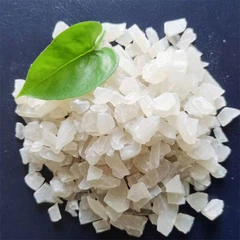
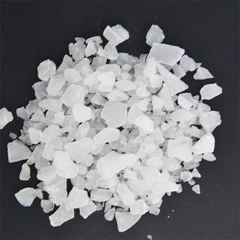
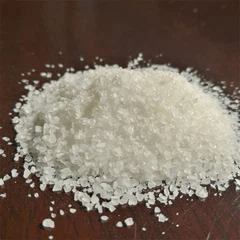
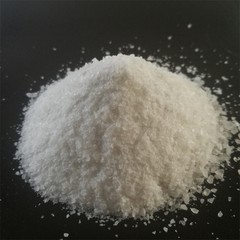
As a supplier of iron free aluminum sulfate, we are committed to providing high - quality products that meet the diverse needs of our customers. We understand the importance of these factors in ensuring product quality and take every measure to control them. If you are interested in our Aluminium Sulphate 17, Non Iron Aluminum Sulphate, or 17% Aluminum Sulphate Powder, please feel free to contact us for more information and to discuss your specific requirements. We look forward to the opportunity to work with you and provide you with the best solutions for your business.
References
- "Handbook of Chemical Technology"
- "Water Treatment Chemicals: Principles and Practice"
- "Paper Chemistry and Technology"
Send Inquiry