

How to optimize the use of reagent grade aluminum sulphate in water treatment?
Jun 11, 2025
Leave a message
Optimizing the use of reagent grade aluminum sulphate in water treatment is a crucial aspect for industries and municipalities aiming to achieve high - quality water purification. As a supplier of reagent grade aluminum sulphate, I have witnessed firsthand the importance of using this chemical effectively in water treatment processes. In this blog, I will share some insights on how to optimize its use.
Understanding Reagent Grade Aluminum Sulphate
Reagent grade aluminum sulphate is a high - purity form of the chemical. It is commonly used in water treatment as a coagulant. When added to water, it reacts with impurities such as suspended solids, colloids, and some dissolved organic matter. The positively charged aluminum ions in the aluminum sulphate neutralize the negative charges on these impurities, causing them to clump together or coagulate. These coagulated particles then settle out of the water more easily, allowing for their removal through sedimentation or filtration.
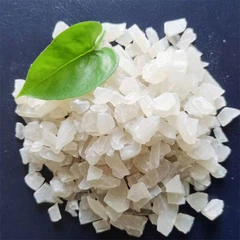
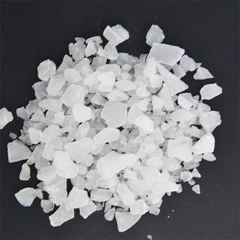
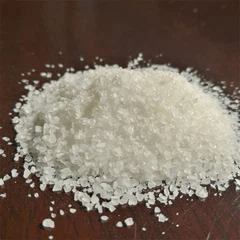
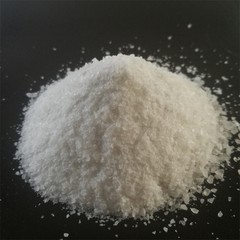
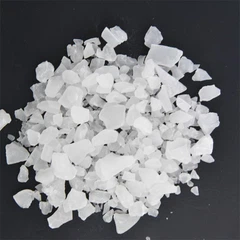
The quality of reagent grade aluminum sulphate can vary, and it is essential to source it from a reliable supplier. Our company offers Aluminium Sulphate 17, which is known for its high purity and consistent performance. This product is free from iron impurities, which can be beneficial in water treatment as iron can sometimes cause discoloration in the treated water.
Factors Affecting the Use of Aluminum Sulphate in Water Treatment
Water Quality
The quality of the water being treated is one of the most significant factors. Different water sources have varying levels of turbidity, pH, and the types of impurities present. For example, water with high turbidity may require a higher dosage of aluminum sulphate to achieve effective coagulation. Similarly, the pH of the water can greatly affect the performance of aluminum sulphate. The optimal pH range for aluminum sulphate coagulation is typically between 5.5 and 7.5. Outside this range, the coagulation efficiency may decrease, and additional chemicals may be needed to adjust the pH.
Dosage
Determining the correct dosage of aluminum sulphate is critical. Too little dosage will not effectively coagulate the impurities, while too much can lead to increased costs, excessive sludge production, and potential negative impacts on the treated water quality. A jar test is a commonly used method to determine the appropriate dosage. In a jar test, different dosages of aluminum sulphate are added to samples of the water being treated, and the coagulation and sedimentation processes are observed. The dosage that results in the best clarity and the least amount of residual impurities is then selected for full - scale treatment.
Mixing
Proper mixing is essential to ensure that the aluminum sulphate is evenly distributed throughout the water. Inadequate mixing can lead to uneven coagulation, with some areas of the water having insufficient contact with the coagulant. The mixing process should be rapid at the initial stage to quickly disperse the aluminum sulphate, followed by a slower mixing phase to allow the coagulated particles to grow in size.
Optimization Strategies
pH Adjustment
As mentioned earlier, the pH of the water plays a vital role in the effectiveness of aluminum sulphate. If the water pH is outside the optimal range, it can be adjusted using acids or bases. For example, if the pH is too high, an acid such as sulfuric acid can be added to lower it. Conversely, if the pH is too low, a base like sodium hydroxide can be used to raise it. By maintaining the pH within the optimal range, the coagulation efficiency of aluminum sulphate can be maximized.
Pre - treatment
Pre - treatment of the water can also improve the performance of aluminum sulphate. For instance, if the water contains large amounts of organic matter, pre - oxidation with chemicals such as chlorine or ozone can break down the organic matter into smaller particles, making them easier to coagulate. Additionally, screening or pre - sedimentation can remove large debris and some of the heavier suspended solids before the addition of aluminum sulphate, reducing the overall load on the coagulation process.
Use of Co - coagulants
In some cases, using a co - coagulant in combination with aluminum sulphate can enhance the coagulation process. Co - coagulants can help to bridge the gaps between the coagulated particles, forming larger and more stable flocs. Polyelectrolytes are commonly used as co - coagulants. They can be cationic, anionic, or non - ionic, depending on the nature of the impurities in the water. When used correctly, co - coagulants can reduce the required dosage of aluminum sulphate and improve the overall water treatment efficiency.
Application in Different Water Treatment Scenarios
Municipal Water Treatment
In municipal water treatment plants, the goal is to provide safe and clean drinking water to the public. Reagent grade aluminum sulphate is widely used in these facilities. The large volume of water being treated requires careful optimization of the coagulation process. By following the strategies mentioned above, such as pH adjustment and proper mixing, municipalities can ensure that the water meets the required quality standards. Our Iron Free Aluminum Sulphate Flakes are a popular choice for municipal water treatment due to their high purity and ease of handling.
Industrial Water Treatment
Industries have diverse water treatment needs. For example, the food and beverage industry requires high - quality water to ensure the safety and quality of their products. Aluminum sulphate can be used to remove impurities from the water used in production processes. In the textile industry, water treatment is essential to prevent staining and damage to the fabrics. By optimizing the use of aluminum sulphate, industries can reduce water usage, improve product quality, and comply with environmental regulations. Our Iron Free Aluminum Sulphate Flakes are suitable for a wide range of industrial applications, providing reliable performance and consistent results.
Conclusion
Optimizing the use of reagent grade aluminum sulphate in water treatment is a multi - faceted process that requires careful consideration of various factors such as water quality, dosage, mixing, and the use of complementary chemicals. By understanding these factors and implementing the appropriate optimization strategies, water treatment facilities can achieve better water quality, reduce costs, and minimize environmental impacts.
As a supplier of high - quality reagent grade aluminum sulphate, we are committed to providing our customers with the best products and technical support. If you are interested in purchasing our reagent grade aluminum sulphate or have any questions about its use in water treatment, please feel free to contact us for further discussion and procurement negotiations.


References
- AWWA (American Water Works Association). Water Treatment Principles and Design. McGraw - Hill, 2012.
- USEPA (United States Environmental Protection Agency). Coagulation and Flocculation in Water Treatment. EPA Publication, 2018.
- Letterman, Richard D. Water Quality and Treatment: A Handbook of Community Water Supplies. McGraw - Hill, 2005.
Send Inquiry